
Fertility and Ovulation
Clear up common misconceptions, understand the fertile window and learn the practical tracking methods Dr. Miller originally shared.
How the cycle is counted
Over the years, it has become clear that many people have misconceptions about how the reproductive system actually works. One of the biggest involves the timing of ovulation.
Menstruation begins the cycle
Cycle day 1 is the first day of menstrual bleeding. Counting begins there, not when bleeding ends.
Day 14 is a reference, not a rule
In a textbook 28-day cycle, ovulation is often described around day 14. Real cycles vary, and ovulation may occur earlier or later from one woman or month to another.
Look for a personal pattern
Several months of careful observation are more useful than assuming every cycle follows the same 28-day calendar.
Understanding the fertile window
An egg is generally available for fertilization for about 24 hours. Sperm may remain viable inside the female reproductive tract for several days, which means pregnancy can result from intercourse before ovulation as well as around the day the egg is released.
Think in terms of a window
A practical estimate is the five days before ovulation through roughly one day afterward. This is why a six-day fertile window is often used for cycle awareness.
Implantation follows later
If fertilization occurs, implantation is commonly described approximately 6-10 days after ovulation. Timing varies, so a calendar is an estimate rather than a diagnosis.
Tracking morning axillary temperature
Dr. Miller’s original guide taught measuring axillary – or armpit – temperature immediately upon waking. The value comes from careful repetition and charting under the same conditions each day.
Do not begin the day first
- Keep the thermometer beside the bed
- Measure before getting out of bed
- Do not remove the covers or use the restroom first
- Avoid television, phone activity, food or drink beforehand
- Use the same method and general waking time each day
Look for a sustained change
Daily readings create a personal baseline. A small sustained rise commonly appears after ovulation and can help identify the pattern retrospectively.
A single reading can be affected by sleep, illness, travel, alcohol, room temperature or measurement inconsistency, so it should not be interpreted alone.
Ovulation predictor kits
Ovulation predictor kits detect a rise in luteinizing hormone, commonly called the LH surge. This surge often occurs approximately 12-36 hours before the egg is released.
What a positive test suggests
A positive result can indicate that ovulation is approaching and may help identify the fertile window more directly than calendar counting alone.
What it does not prove
An LH surge does not guarantee that an egg was released. Hormonal conditions, irregular cycles and testing differences can affect interpretation.
A practical charting routine
Record the cycle
Mark the first day of bleeding as day 1 and record total cycle length over several months.
Record the signals
Chart the waking axillary temperature and, when used, LH-test results and other fertility signs.
Record disruptions
Note illness, poor sleep, travel, stress and other changes that could affect temperature or cycle timing.
Move easily from fertility through pregnancy and early development
These three guides are designed to work together. Start with the stage that fits your family now, then move directly to the next resource whenever you are ready.
Fertility and Ovulation
Understand cycle timing, the fertile window, waking temperature and ovulation predictor kits.
Pregnancy Guide
Continue into pregnancy-adapted chiropractic care, nutrition, postpartum support and practical resources.
Baby and Early Development
Explore informed newborn choices, early sensory activities, movement, books and the family video journal.
Learn your pattern rather than assuming one
Cycle awareness is most useful when careful observation replaces the idea that every woman ovulates on the same day.
Original educational substance restored and carefully reviewed August 2026.
From the Desk of Dr. Dylan Miller
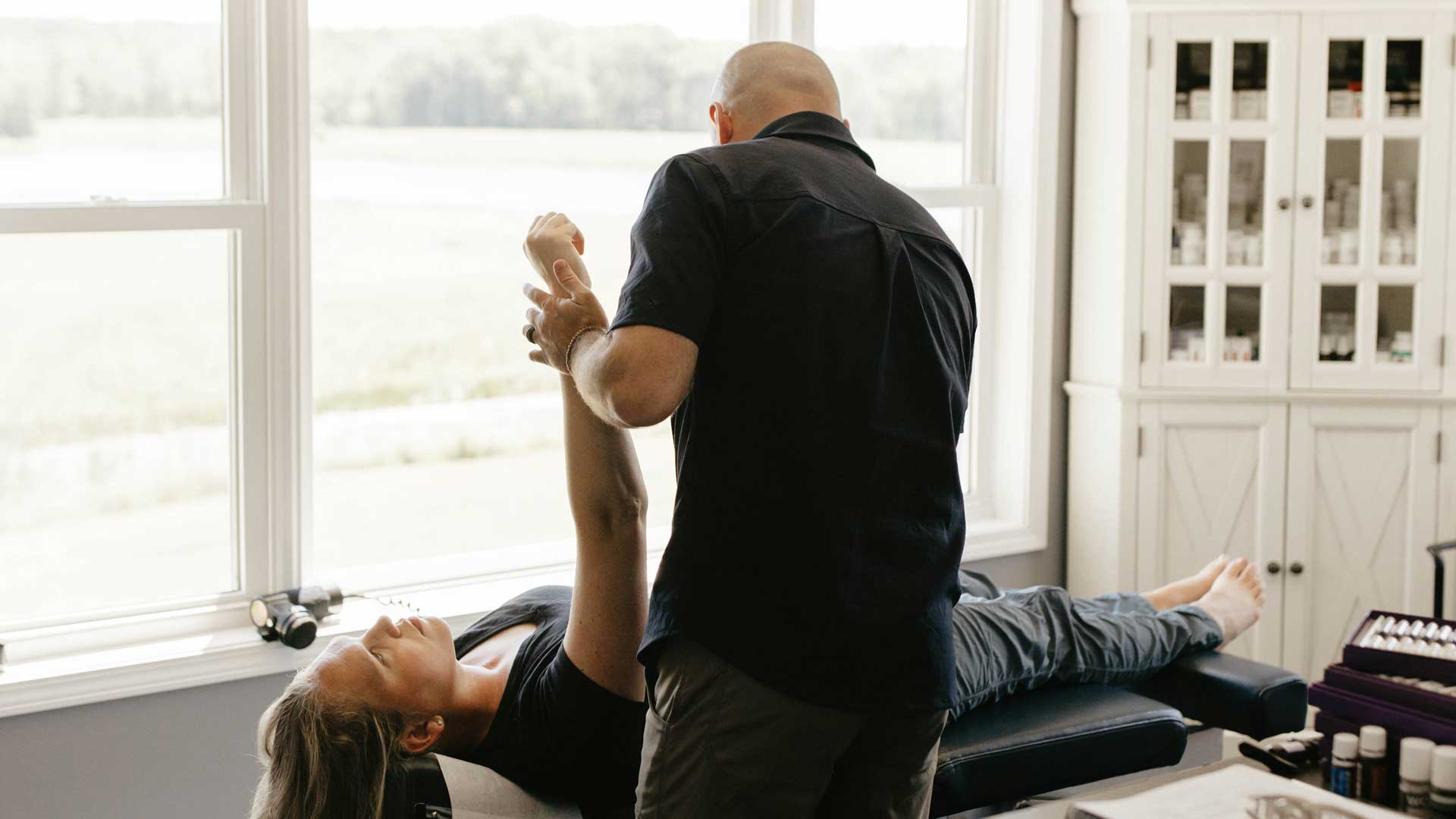
If Dr. Miller’s practical, testing-based approach resonates with you, use the visit guide to understand the process and choose the clinic pathway that fits your needs.
The goal is a clear baseline, focused recommendations and honest reassessment—not a one-size-fits-all plan. Learn what to expect before you schedule.
A Practice Built Together
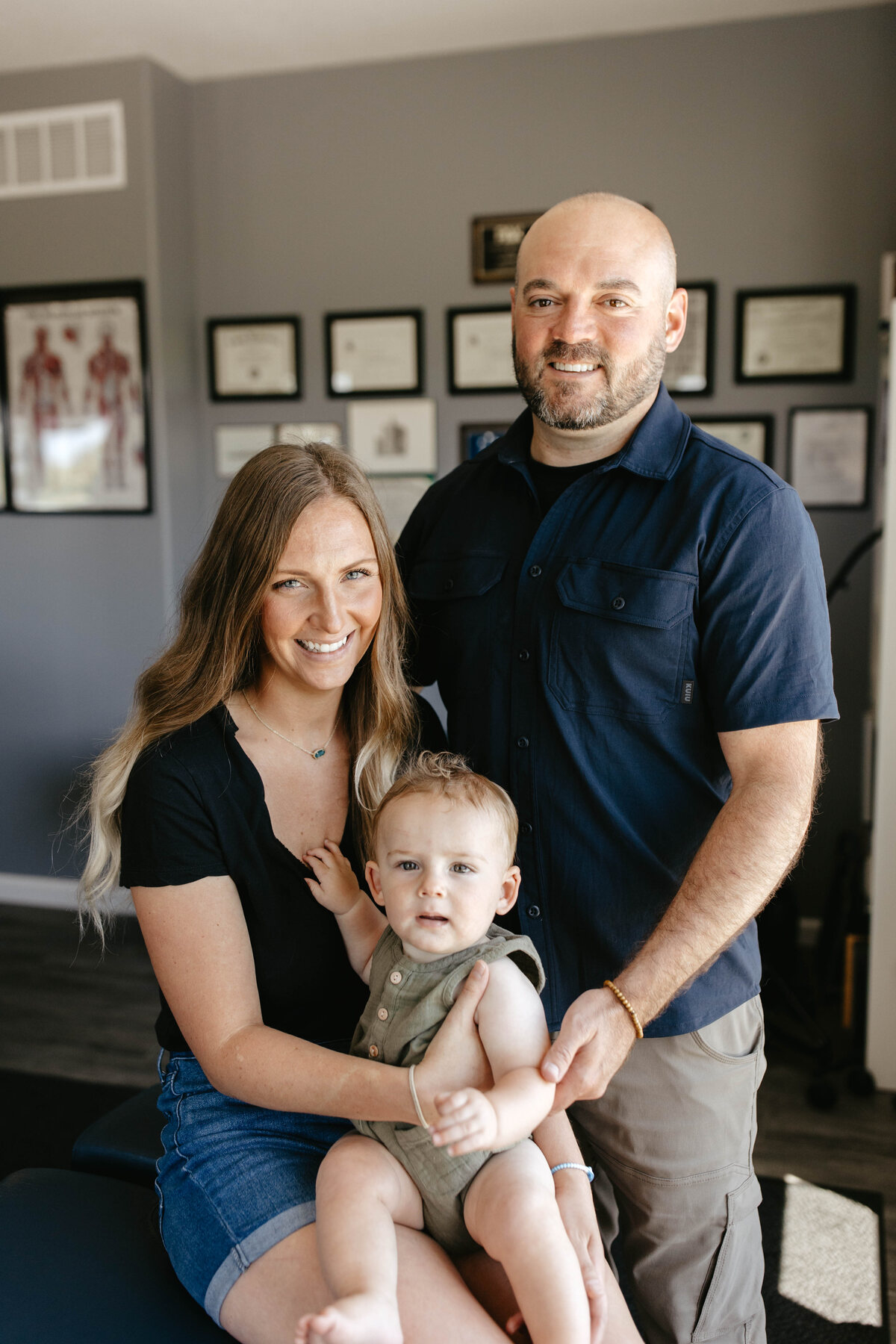
The practice may carry Dr. Miller’s name, but it has never been a one-person effort. Chelsea Miller, Operations Manager, leads office operations, patient scheduling and communication, and the practice’s social media—helping people feel welcomed and cared for from their first contact.
Together, Dylan and Chelsea support patients through the Grant City, Missouri, and Des Moines, Iowa locations.