
Sexual Health, STIs & Birth Control
One complete guide bringing together Dr. Miller’s teaching on sexually transmitted infections, abstinence, contraceptive choices, natural family planning and the values that shape these decisions.
Three related questions that should not be confused
STI prevention, pregnancy prevention and fertility awareness overlap, but a method designed for one goal may not accomplish another. Bringing them together makes those distinctions easier to understand.
Sexually transmitted infections
Symptoms, testing, prevention limitations and natural approaches that may support the whole person without being represented as proof that an infection is gone.
Birth-control choices
Abstinence, hormonal methods, barrier methods and the possible physical, emotional and nutritional considerations Dr. Miller originally discussed.
Natural family planning
Cycle awareness uses fertility signs and consistent daily observation. Dr. Miller’s separate Fertility and Ovulation guide teaches the details.
Sexually transmitted infections
Most infections can be treated or controlled, and many STIs are curable. The sooner an infection is properly identified and addressed, the better the opportunity for a good outcome. Prevention remains the best medicine.
Symptoms do not tell the whole story
Some sexually transmitted infections cause sores, irritation, discharge or pain, while others may be present without obvious symptoms.
Different infections require different decisions
Guessing from appearance alone can lead someone in the wrong direction, which is why appropriate testing can matter.
Support is broader than one finding
Physical health, immune resilience, relationships, emotional well-being and personal faith may all be relevant parts of a thoughtful care conversation.
Natural approaches may have a supportive role
In addition to condition-specific care, many people seek natural support for recurring or stubborn concerns involving warts, herpes outbreaks, skin irritation and immune resilience.
Herbs, homeopathy, essential oils and nutrients
Dr. Miller’s original article discussed herbal extracts, homeopathy, essential oils and targeted nutrients as options that may support the immune system, skin health and the body’s overall ability to respond.
Support is not the same as claiming a cure
These approaches should be selected for the individual and should not be represented as proof that an infection is gone. Their role, response and safe integration belong within the full clinical picture. Natural support should not replace appropriate testing or treatment for a suspected or confirmed STI.
Abstinence avoids both sexual exposure and pregnancy
When practiced consistently, avoiding sexual intercourse is the only approach discussed on this page that completely avoids pregnancy from sexual activity and avoids infections transmitted through those activities. It requires no medication, device or procedure and has no medication-related side effects.
No hormones or devices
Abstinence does not alter hormone levels, require a prescription or introduce a foreign device into the body.
One choice addresses both concerns
Many contraceptive methods are designed primarily to reduce pregnancy risk. They should not automatically be assumed to provide the same protection from sexually transmitted infections.
Education and commitment still matter
For those choosing to be sexually active, education, mutual commitment, monogamy, appropriate testing and thoughtful practices remain important.
Birth-control pills and other hormonal methods
Hormonal contraceptives intentionally alter reproductive hormone signaling. The effects vary by formulation and by the individual, but patients deserve a clear discussion of possible physical and emotional responses.
Possible physical effects
- Blood-clot or stroke risk, especially with certain histories and estrogen-containing products
- Weight change, bloating or nausea
- Headaches or migraines
- Breakthrough bleeding or irregular periods
- Decreased libido for some women
Possible emotional effects
- Mood changes
- Anxiety or depressed mood in some users
- Changes in energy or sense of well-being
- Individual responses that may change after starting, stopping or changing formulations
Method-specific considerations
- Irregular bleeding or spotting
- Weight change, breast tenderness, nausea or headache
- Mood changes with some hormonal methods
- Delayed return of fertility after injectable contraception for some women
- Insertion-related complications and a short-term infection concern around IUD placement, particularly when an infection is already present
Avoid one-size-fits-all claims
The relationship between hormonal contraception and cancer cannot be reduced to a single blanket statement. Findings differ by cancer type, method, duration and personal history. The responsible point is that these questions belong in informed decision-making rather than being dismissed.
Drug-induced nutrient depletion and birth control
Dr. Miller’s original article specifically discussed vitamin B6, magnesium and zinc. Drug-nutrient references also discuss other B vitamins in relation to oral contraceptive use.
This concern should remain visible without claiming that every woman is deficient or automatically needs the same supplement. Diet, symptoms, other medications, laboratory information and the full clinical picture should guide any nutritional plan.
Barrier methods and their limitations
Condoms, diaphragms and spermicides may reduce pregnancy risk when used correctly. Condoms can also reduce the risk of some infections, but no barrier method should be described as foolproof.
Skin-to-skin transmission can still occur
HPV, herpes, syphilis and other infections may involve skin-to-skin contact in areas a condom does not cover.
Breakage, slippage and human error
A condom can tear, slip or be used incorrectly. Inconsistent or incorrect use further reduces the protection it can provide.
Irritation or allergy
Latex or spermicide ingredients may irritate sensitive tissue or cause an allergic response in some people.
Changes in vaginal balance
Some individuals report urinary or vaginal irritation with spermicide use. Recurrent symptoms deserve individual evaluation rather than assumption.
Natural family planning and fertility awareness
For couples seeking an alternative to hormonal contraception, natural family planning and fertility-awareness methods use cycle timing, temperature and other fertility signs to identify the fertile window.
What these methods require
Education, daily observation, honest communication and consistent choices during the fertile window are essential. A casual calendar estimate is not the same as a carefully learned method.
Learn the cycle in the dedicated guide
Dr. Miller’s Fertility and Ovulation page explains cycle day 1, the fertile window, morning axillary temperature, ovulation predictor kits and practical charting.
Spiritual considerations
From a biblical standpoint, we are called to abstain from sexual relationships before marriage. After years of study, I have come to understand a deeper reasoning behind this command.
Guarding the soul
Our spirit belongs to God and is completely sealed, untouched by external influences. However, our soul is more vulnerable. This is where temptation, emotional turmoil and spiritual struggles can gain access.
Sexual relationships create soul ties – deep emotional and spiritual bonds that connect us to our partners. These ties can extend beyond the individuals involved, linking us to past relationships, emotional burdens and even generational struggles.
Guarding the heart
A broken heart and a wounded soul are often one and the same. When soul ties are severed through heartbreak, betrayal or separation, the effects can be devastating.
“Above all else, guard your heart, for everything you do flows from it.” – Proverbs 4:23 (NIV)
Continue into the family-health journey
The consolidated sexual-health guide leads naturally into cycle awareness, pregnancy support and early-childhood development—each preserved as its own complete resource.
Original educational substance from the STI and Birth Control articles consolidated and carefully reviewed August 2026.
From the Desk of Dr. Dylan Miller

If Dr. Miller’s practical, testing-based approach resonates with you, use the visit guide to understand the process and choose the clinic pathway that fits your needs.
The goal is a clear baseline, focused recommendations and honest reassessment—not a one-size-fits-all plan. Learn what to expect before you schedule.
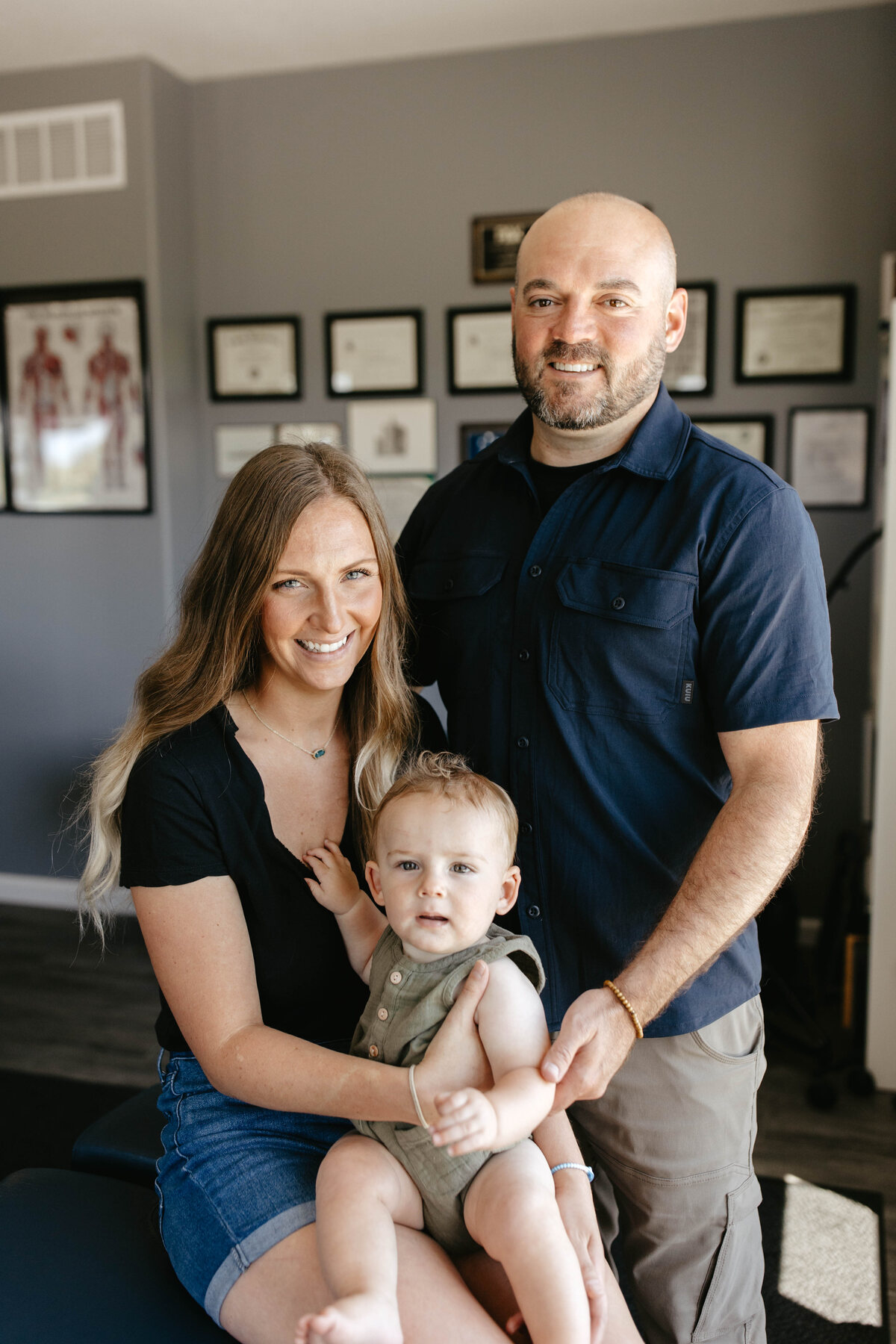
A Practice Built Together
The practice may carry Dr. Miller’s name, but it has never been a one-person effort. Chelsea Miller, Operations Manager, leads office operations, patient scheduling and communication, and the practice’s social media—helping people feel welcomed and cared for from their first contact.
Together, Dylan and Chelsea support patients through the Grant City, Missouri, and Des Moines, Iowa locations.