
Training Tools & Daily Practices
A single organized guide to aerobic training, heart-rate tracking, recovery practices, grounding, the Five Rites and the books and equipment Dr. Miller discusses.
Aerobic training: the practical starting point
Aerobic exercise is a useful all-around starting point because continuous rhythmic movement challenges the heart and lungs and can support endurance, circulation, energy, mood, sleep and metabolic health. Walking, cycling, swimming, dancing, rowing and similar activities can all work; the best choice is one you can perform safely and consistently.
Choose an activity
Walking, jogging, cycling, swimming, dancing, rowing, stair climbing and low-impact machines are all options. Match the activity to your current ability, joints, balance and goals.
Start gradually
Begin at a duration and intensity you tolerate. Build frequency, time and intensity gradually rather than trying to reach the full routine on day one.
Watch your response
Hydration, breathing, symptoms, fatigue and recovery matter. Slow down or stop when something feels wrong rather than treating a number on a watch as the only goal.
Read the fuller aerobic-exercise explanation
Aerobic exercise uses continuous, rhythmic movement to raise heart rate and breathing over time. The activity itself can vary; walking, jogging, cycling, swimming, dancing, rowing, stair climbing, water aerobics and low-impact machines can all be used when they fit the person.
1. Heart and lungs
Regular aerobic work can improve cardiovascular endurance and help the body deliver oxygen to working muscles more efficiently. Examples include brisk walking, running, cycling and swimming.
2. Weight and metabolism
Continuous movement uses energy and can support weight-management and blood-sugar goals when combined with an appropriate overall plan. Swimming, dancing and jump-rope routines are practical examples.
3. Mood and stress
Many people use walking, cycling, swimming, dancing or similar activity to support mood, mental clarity and stress management. A brisk nature walk, cycling session or tolerable jog are simple examples.
4. Stamina and energy
Progressive cardio training can improve endurance so routine physical tasks become easier over time. Rowing, stair climbing and jumping-jack progressions are examples from the broader exercise list.
5. Circulation and immune support
Movement supports circulation and is one part of a broader routine for resilience and general health. Water aerobics, elliptical training and hiking offer different impact and balance demands.
6. Long-term health
Consistent aerobic activity is commonly used as part of plans addressing cardiovascular and metabolic risk. Power walking, jogging and stationary cycling are accessible ways to build a repeatable routine.
7. Sleep and recovery
Appropriately timed, tolerable exercise may help some people maintain a more consistent sleep-and-recovery routine. Light yoga, Tai Chi or an easy walk may fit better than intense late-evening training.
How to build the routine
- Start at a duration and intensity you tolerate, then increase gradually.
- Use an activity you can perform safely and consistently rather than chasing one perfect machine.
- Hydrate before, during and after activity as appropriate.
- Watch for dizziness, excessive fatigue, unusual shortness of breath, irregular heartbeat, pain or other concerning symptoms.
- If you do not have a monitor, use the manual pulse-check instructions in the next section.
Dr. Miller’s ranked heart-rate monitor recommendations
The seven options below are listed in Dr. Miller’s preferred order for tracking reliability and practical use, with the chest strap reference first. Device performance can vary by model, activity, fit, skin contact and individual physiology, so the ranking is a practical guide rather than a guarantee.
Chest Strap Monitor
A direct option for people who want continuous heart-rate tracking during training.
Apple Watch
A convenient wrist-based option for heart-rate and activity tracking.
Garmin Venu
A watch-based heart-rate and activity-tracking option.
Mi Watch
A budget-friendly wrist-based option for activity and heart-rate tracking.
Polar Verity Sense
An optical sensor that can be worn away from the wrist.
WHOOP
A wearable focused on strain, sleep and recovery trends.
Fitbit Luxe
A compact activity and heart-rate tracking option.
Manual pulse check
Place two fingers over the radial pulse at the wrist or the carotid pulse at the neck. Count beats for 15 seconds and multiply by four for an estimated beats-per-minute value.
Daily practices for recovery, attention and consistency
A well-rounded routine can include recovery, breathing, attention and grounding practices alongside exercise.
Massage and recovery
Massage can be used as a relaxation and recovery practice on days when harder exercise is not appropriate. For a fuller discussion, use the dedicated massage article.
Nasal breathing
Practice nasal inhalation and exhalation during everyday life and, when comfortable, during activity. Breathing should never be forced when symptoms or medical conditions make it difficult.
Music and attention
Dr. Miller pairs Baroque classical music with grounding or the Five Rites as a personal way to support focus and relaxation.
Gratitude practice
Record three things you are grateful for and one new insight each day. Dr. Miller also uses prompts such as, “This means peace, power and plenty to me right now,” and, “I am so happy and grateful now that…” to help reframe challenges and direct attention toward constructive action.
Grounding
Grounding may include direct contact with grass, soil, water or concrete and an optional indoor grounding setup. Treat grounding as a personal wellness practice, not a replacement for medical care or established safety measures.
The Five Rites
The routine starts with three repetitions and gradually works toward 21 over ten weeks. Dr. Miller’s personal routine divides the total into 11 repetitions in the morning and 10 at night.
Training and home-practice tools
Compare equipment by fit, stability, available space and your current ability. The links below remain separate so each tool is easy to find.
Treadmill
Indoor walking or running with controllable pace and incline.
Exercise Bike
A seated cardio option with adjustable resistance.
Rower
A rhythmic option involving both the upper and lower body.
Elliptical Glider
A standing low-impact cardio option.
Recumbent Bike
A supported seated option for indoor cardio.
Balance Trainer
A tool for progressive balance and stability practice.
Exercise Ball
A flexible tool for supported mobility and stability work.
Exercise Step
A compact platform for step-based training.
Tai Chi Resource
An accessible resource for balance-oriented movement practice.
Exercise Bands
Portable resistance for progressive strength work.
Weights
Traditional resistance-training equipment.
TheraGun
A percussion-massage device for post-training recovery; follow the manufacturer’s directions.
Electrical Muscle Stimulator
An electrical muscle-stimulation option; follow product instructions and appropriately licensed professional guidance.
Yoga Knee Pad Cushion
Extra cushioning for kneeling during floor-based practices.
Grounding Mat
An indoor grounding option discussed in the companion education guide.
Books that support the routine


Affiliate disclosure: Some product and book links are affiliate links. Dr. Miller may earn a commission from qualifying purchases at no additional cost to you. A recommendation is general information and does not mean a product is appropriate for every person.
Keep learning or compare clinic pathways
Use the visual Shop & Resources library for additional products and photographed books, or compare the Grant City and Des Moines care pathways.
From the Desk of Dr. Dylan Miller
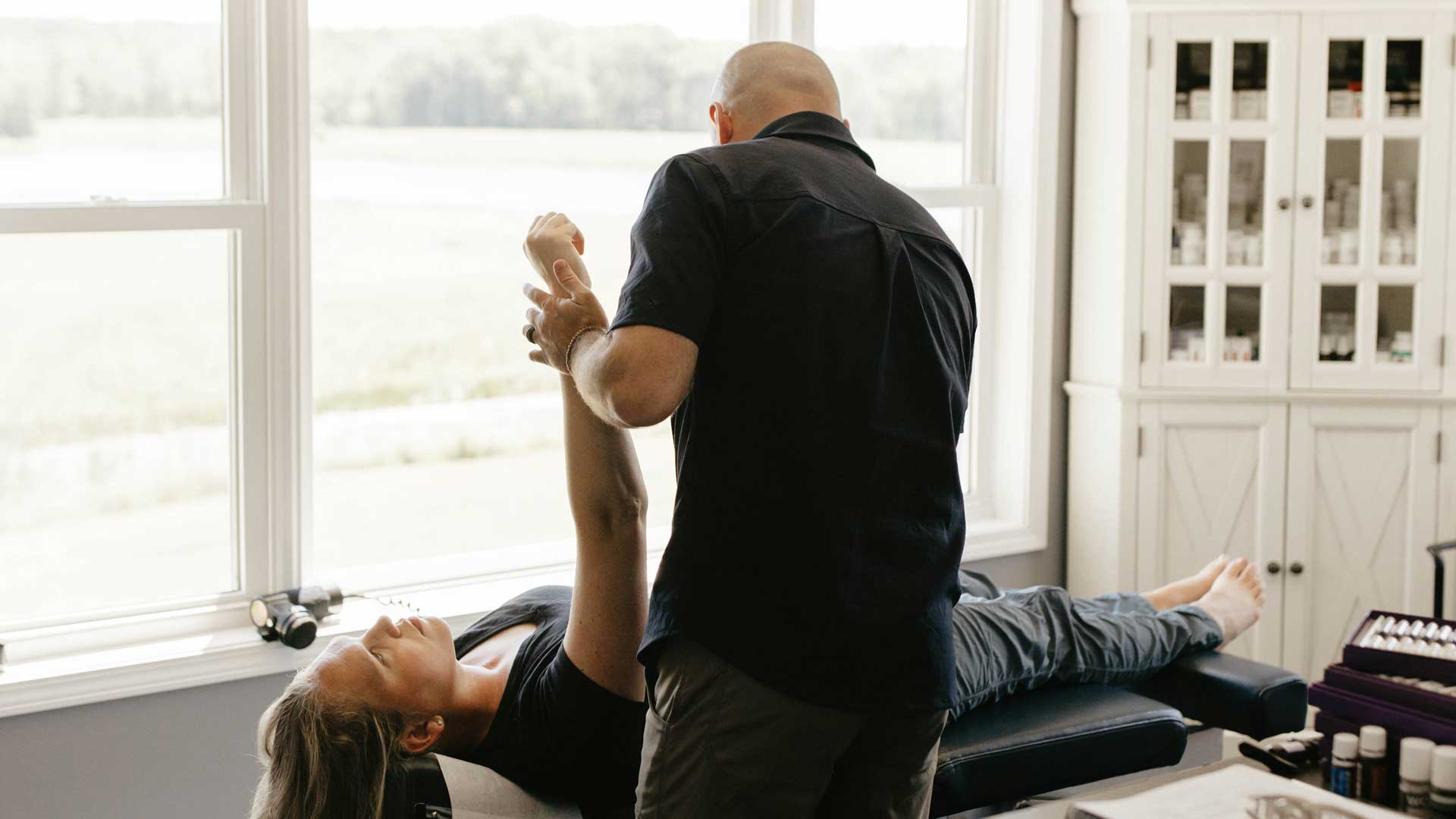
If Dr. Miller’s practical, testing-based approach resonates with you, use the visit guide to understand the process and choose the clinic pathway that fits your needs.
The goal is a clear baseline, focused recommendations and honest reassessment—not a one-size-fits-all plan. Learn what to expect before you schedule.
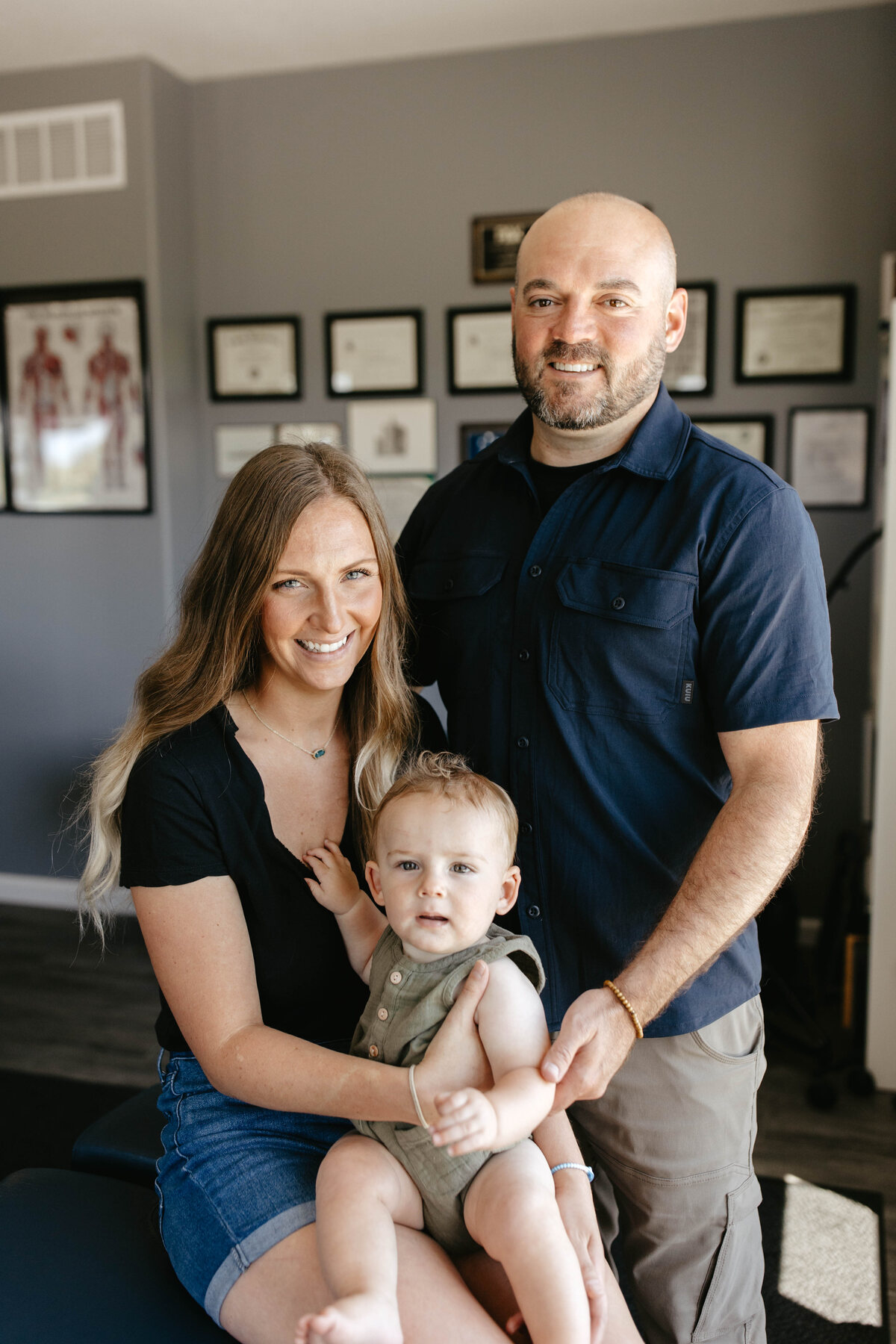
A Practice Built Together
The practice may carry Dr. Miller’s name, but it has never been a one-person effort. Chelsea Miller, Operations Manager, leads office operations, patient scheduling and communication, and the practice’s social media—helping people feel welcomed and cared for from their first contact.
Together, Dylan and Chelsea support patients through the Grant City, Missouri, and Des Moines, Iowa locations.