Healthy Habits – Massage
A seven-part guide to professional massage, self-massage and recovery tools, with practical guidance for choosing the right purpose, pressure and frequency.
Touch can support recovery and well-being in several ways
Massage is commonly used for muscle recovery, comfort, circulation, relaxation and mobility. Technique, pressure and frequency should reflect the person, the goal and the findings—not a one-size-fits-all schedule.
Recovery
Work with muscle tension, soreness, stiffness and perceived recovery after activity.
Relaxation
Create a calmer routine that may support sleep, body awareness and stress regulation.
Movement
Address soft-tissue tension that can influence comfortable range of motion.
Seven ways massage is commonly used
Massage can serve different purposes. Open each section to see where it may fit, what people commonly seek from it and when extra care is needed.
1. Muscle health and recovery
- May reduce perceived muscle tension, soreness and stiffness while increasing local blood flow.
- May help work with adhesions and scar-tissue restrictions, supporting flexibility and range of motion.
- Often used after exercise to support comfort and recovery.
Often a fit for: athletes, active individuals, people with demanding physical work and appropriate musculoskeletal recovery plans.
2. Lymphatic function and fluid movement
- Specialized techniques are used to encourage lymphatic movement and reduce a sense of heaviness.
- Because lymph circulation helps move fluid and immune cells, trained lymphatic work is sometimes used as part of a broader recovery plan.
- Some people seek trained lymphatic work for swelling or after procedures.
Check first: unexplained swelling, known lymphedema, infection, circulation concerns or recent surgery should be discussed with Dr. Miller or another clinician who knows the situation. Specialized lymphatic massage requires appropriate training.
3. Circulation and cardiovascular context
- Massage can temporarily increase local blood flow and warmth in the tissues being worked.
- Relaxation may support a calmer autonomic state.
- Massage is sometimes used during appropriate recovery and after periods of inactivity.
Check first: suspected blood clot, significant vascular disease, recent surgery, unstable blood pressure or new cardiovascular symptoms need evaluation before massage.
4. Stress, relaxation and mental well-being
- Massage is commonly used to promote relaxation and reduce perceived stress.
- A calmer routine may support sleep and strengthen mind-body awareness.
- Stress hormones and neurotransmitters such as cortisol, serotonin and dopamine are part of the larger stress-response conversation, although an individual’s response to massage cannot be predicted from them.
Often a fit for: people looking for a calming physical practice alongside whatever emotional, spiritual or clinical support they choose.
5. Joint comfort and mobility
- Working with surrounding soft tissue may ease tension that limits comfortable movement.
- Massage may be one part of a plan for stiffness, headache patterns or widespread discomfort.
- Comfort and movement can change when muscle tone around a joint changes.
Best used in context: persistent, severe or unexplained pain deserves an examination rather than being assumed to be only a massage issue.
6. Athletic preparation and recovery
- Some athletes use massage before activity to feel more mobile and prepared.
- Post-activity work may help perceived tightness, soreness and readiness for the next session.
- Massage works best alongside progressive training, sleep, hydration and adequate recovery.
Often a fit for: athletes, fitness enthusiasts and people engaged in demanding physical work.
7. Immune and whole-person wellness context
- Stress, sleep, inflammation and general immune health are interconnected.
- Massage may support well-being indirectly by helping a person relax and maintain a recovery routine.
- Massage is a supportive practice, not a claim to prevent or eliminate an infection.
Pause and reassess: fever, contagious illness, unexplained swelling or rapidly worsening symptoms are reasons to wait and determine what is happening first.
Build the level of massage that fits your life
Weekly or twice-monthly massage can be a useful rhythm, but the right frequency depends on purpose, response, schedule and budget.
Professional massage
A licensed massage professional can adjust technique, pressure and session length to the person and goal.
Self-massage
Hands-on self-massage can be a simple way to work with mild everyday tension while staying within comfortable pressure.
Tools
Foam rollers, massage balls and massage guns may make self-care more convenient. Start conservatively and avoid painful, numb, inflamed or vulnerable areas.
Pair massage with the Training Tools & Daily Practices guide.
Make massage part of a larger recovery plan
Professional care, self-massage and tools can all have a place. The most useful routine is one that fits the person and supports comfortable movement, recovery and well-being over time.
From the Desk of Dr. Dylan Miller
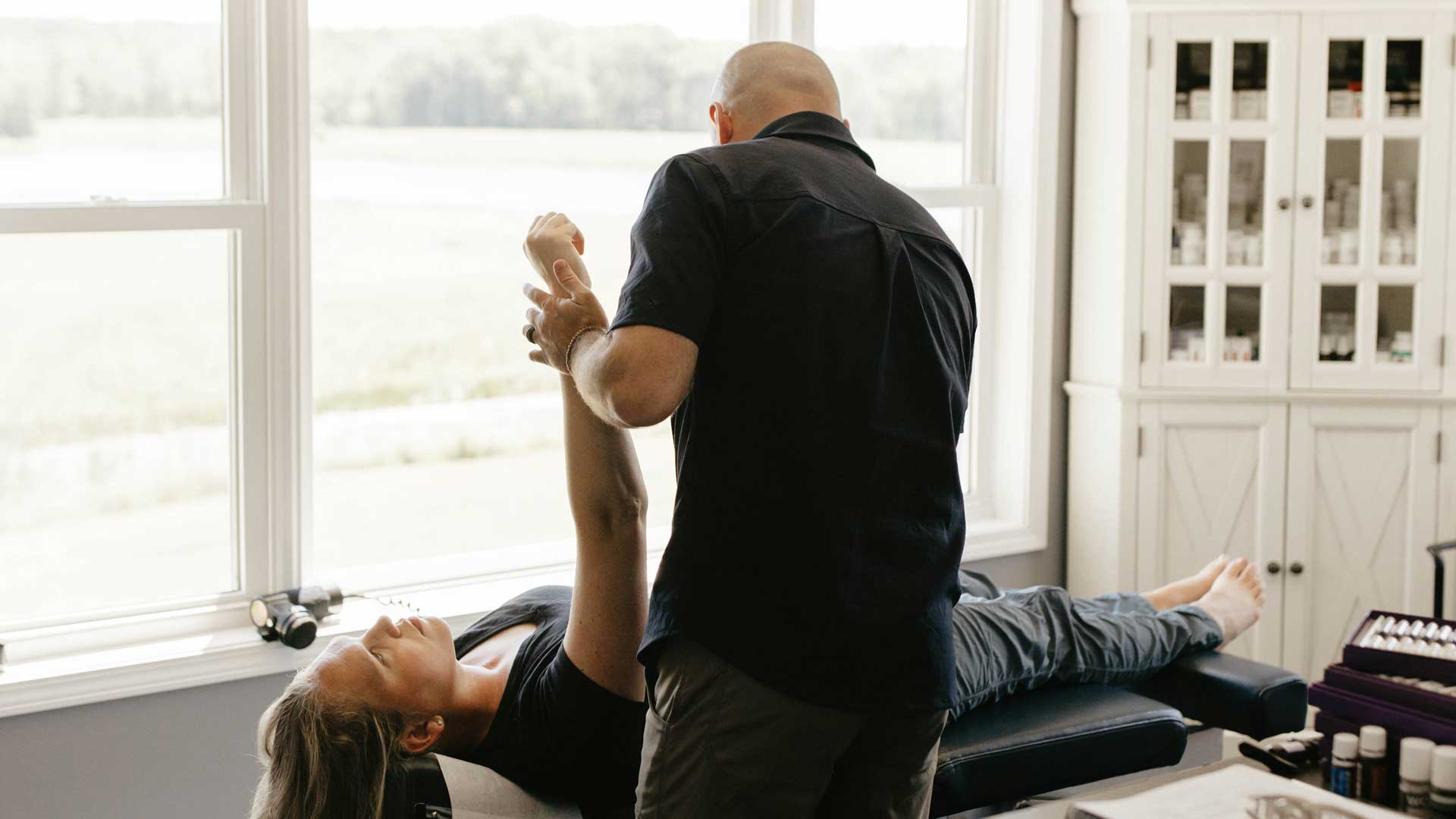
If Dr. Miller’s practical, testing-based approach resonates with you, use the visit guide to understand the process and choose the clinic pathway that fits your needs.
The goal is a clear baseline, focused recommendations and honest reassessment—not a one-size-fits-all plan. Learn what to expect before you schedule.
A Practice Built Together
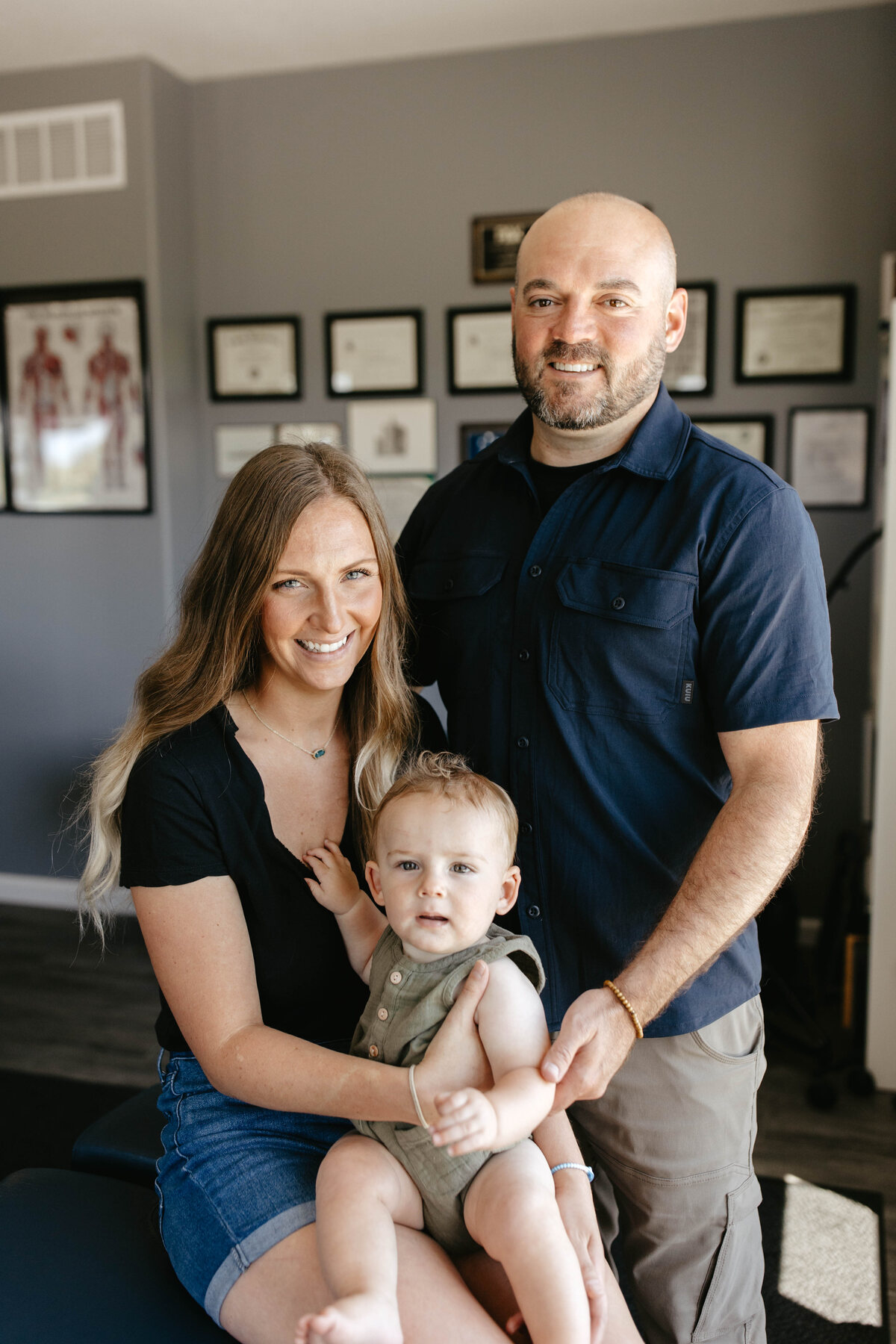
The practice may carry Dr. Miller’s name, but it has never been a one-person effort. Chelsea Miller, Operations Manager, leads office operations, patient scheduling and communication, and the practice’s social media—helping people feel welcomed and cared for from their first contact.
Together, Dylan and Chelsea support patients through the Grant City, Missouri, and Des Moines, Iowa locations.