
Home Care & Remedies
Practical comfort measures, step-by-step routines, supplement notes and product recommendations from Dr. Miller’s approach to everyday home care.
Supporting comfort, warmth and hydration during illness
Dr. Miller’s home routine for a cold, ear complaint or general illness begins with the skin, warmth, sweating and hydration. These steps are intended to support comfort and the body’s normal response.
Fresh lemon on the skin
Rub the cut side of a fresh lemon over intact skin. Dr. Miller uses fresh lemon as a natural detergent to help remove surface buildup. Avoid eyes, broken or irritated skin, and stop if burning or a rash occurs.
Warm Epsom-salt bath
Use comfortably warm—not scalding—water, add a handful of Epsom salt, and soak for approximately 15–20 minutes.
A warm beverage
Drink a comfortably warm beverage during or after the bath and continue normal hydration. Do not deliberately overheat the body or use a liquid hot enough to burn.
Bowel cleansing for flu and infection support
Dr. Miller has used bowel cleansing as one part of his flu-care approach, including the lemon-water enema directions below. This is not a universal recommendation. Diarrhea, dehydration, rectal irritation, pregnancy, childhood and other conditions can change whether it is appropriate, so discuss the procedure with Dr. Miller before using it.
Read the complete procedure and safety context
Dr. Miller’s directions:
- Empty the contents of a standard enema bottle; do not use laxatives for this procedure.
- Refill the bottle with regular water and one teaspoon of freshly squeezed lemon juice, not concentrate.
- Administer the full contents rectally, retain for at least five minutes, evacuate and drink water throughout the process.
Cold wet towel and ice routines
Dr. Miller often favors a cold wet towel for a headache, sore joint or ordinary discomfort and uses a separate timing cycle for ice.

Cold wet towel
- Soak a towel in cold tap water.
- Fold it and place it on the affected area for 20 minutes.
- Re-wet and reapply for another 20 minutes.
- Continue for at least 40 consecutive minutes and repeat as needed.
Ice cycle
- Place a protective layer between ice and skin.
- Apply for 10 minutes.
- Remove for 10 minutes.
- Reapply for 10 minutes, then wait one hour before repeating if needed.

Enzyme Pforesis Ice from Nutri-West
This cooling topical gel contains superoxide dismutase, bromelain, pancreatin, lavender, peppermint, arnica, vitamins E and C, and minerals including copper, manganese, selenium and zinc. Apply it to clean, intact skin and massage the targeted area up to four times daily.
Allergies, digestive support and vitamin D

Hay-fever-type symptoms and Hypo-D
Dr. Miller may use a digestive-enzyme aid selected for the individual and names Hypo-D from Nutri-West as one example. Dr. Miller can review symptom patterns, medications, sensitivities and the current label before recommending a product.
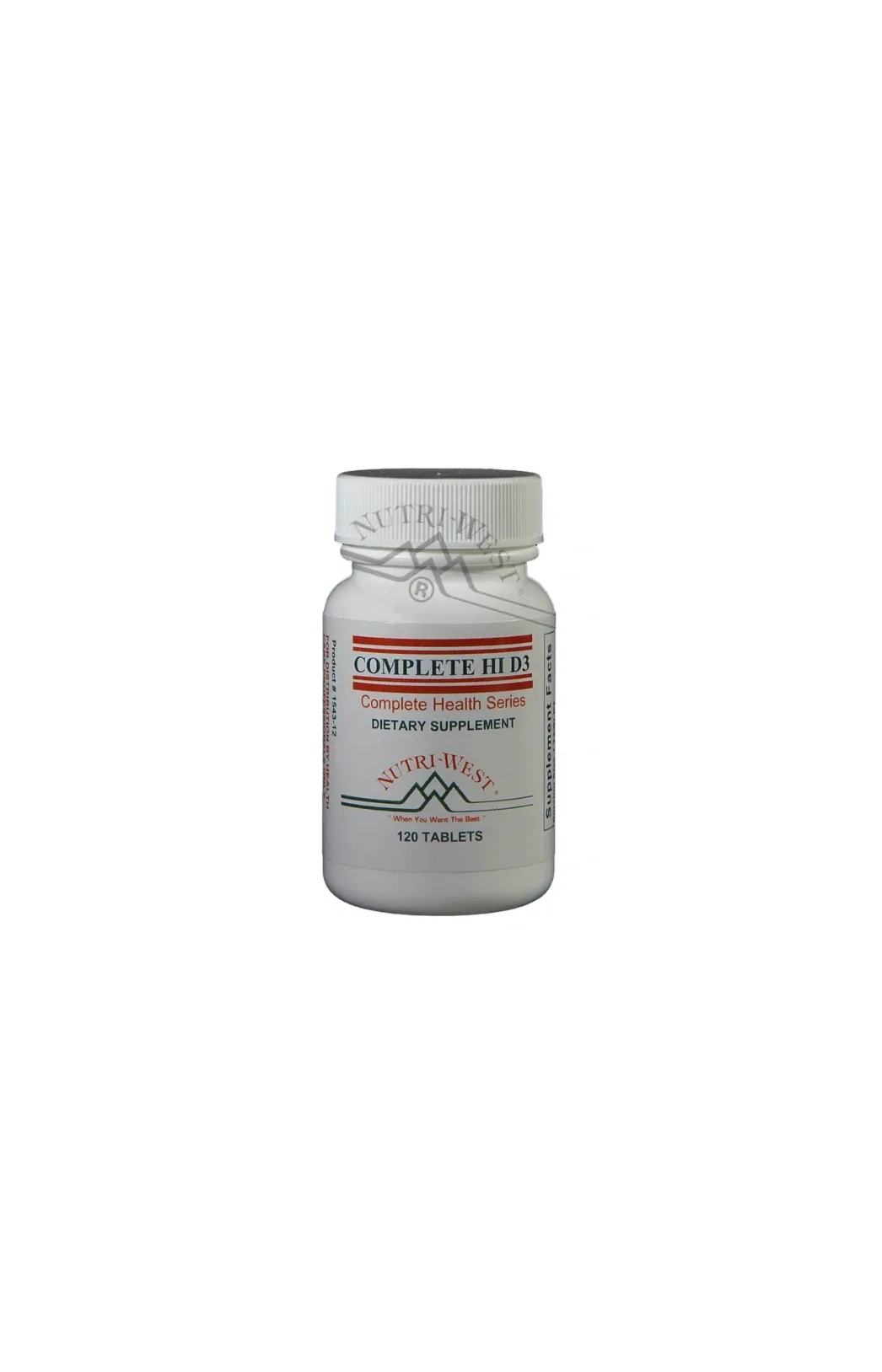
Vitamin D and Complete Hi D3
Dr. Miller considers winter sunlight, latitude and lab testing when discussing vitamin D. His 5,000–10,000 IU daily range is a higher supplemental range and should be individualized around history, total intake, medications and testing rather than assumed to fit everyone.
Which vitamin D test does Dr. Miller prefer?
Dr. Miller prefers 1,25-dihydroxyvitamin D when the active form is the clinical question. For ordinary vitamin D status, 25-hydroxyvitamin D is commonly used; the right test depends on what is being evaluated.

Look beyond a single explanation
Dr. Miller cautions against assuming every case is simply “too much acid.” Food irritation, digestion, infection, nutrient status, structure and medication effects may each deserve consideration. Dr. Miller can help evaluate the larger pattern and coordinate additional care when the findings call for it.
When not to wait
Chest pressure, shortness of breath, sweating, pain into the arm or jaw, vomiting blood, black stool, progressive trouble swallowing or unexplained weight loss requires timely evaluation; chest symptoms may be an emergency.
Do not abruptly stop a prescribed acid-suppressing medication. Review the reason, duration and transition plan with the prescribing clinician and Dr. Miller as appropriate.
Nutrition can matter without becoming the entire treatment
Dr. Miller considers glucose, oxygen use, exercise and ketogenic eating within the larger metabolic picture. Nutrition, movement and metabolic health can matter, but cancer biology is far more varied than the claim that every cancer is simply anaerobic or can be deprived of fuel by avoiding sugar.

The ketogenic-diet note
Dr. Miller views a ketogenic diet as a possible tool rather than a permanent diet. Its usefulness and safety depend on the cancer, treatment, weight, appetite and individual goals.
Movement and oxygen use
Appropriate movement can support strength, circulation, energy and quality of life. The kind and intensity should fit the individual’s condition and treatment plan.
Some links on this page are affiliate links. Dr. Miller may earn a commission from qualifying purchases, at no additional cost to the visitor. Product availability and formulas can change; confirm the current label.
Use the page as a conversation starter
These routines and products are part of Dr. Miller’s practical approach. The best next step is to match them to the person, the findings and the purpose—not to treat a general webpage as an individual diagnosis.
From the Desk of Dr. Dylan Miller
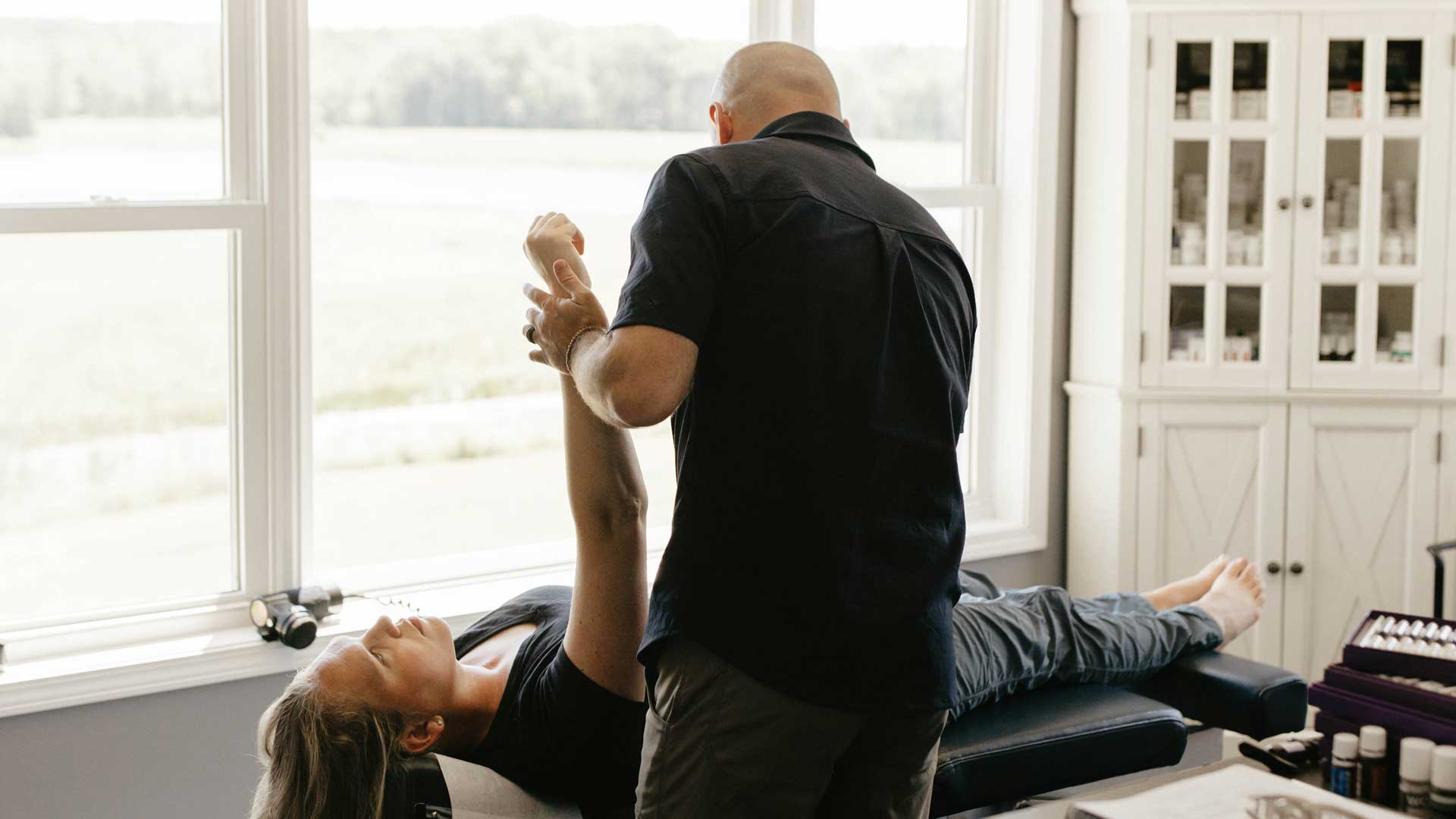
If Dr. Miller’s practical, testing-based approach resonates with you, use the visit guide to understand the process and choose the clinic pathway that fits your needs.
The goal is a clear baseline, focused recommendations and honest reassessment—not a one-size-fits-all plan. Learn what to expect before you schedule.
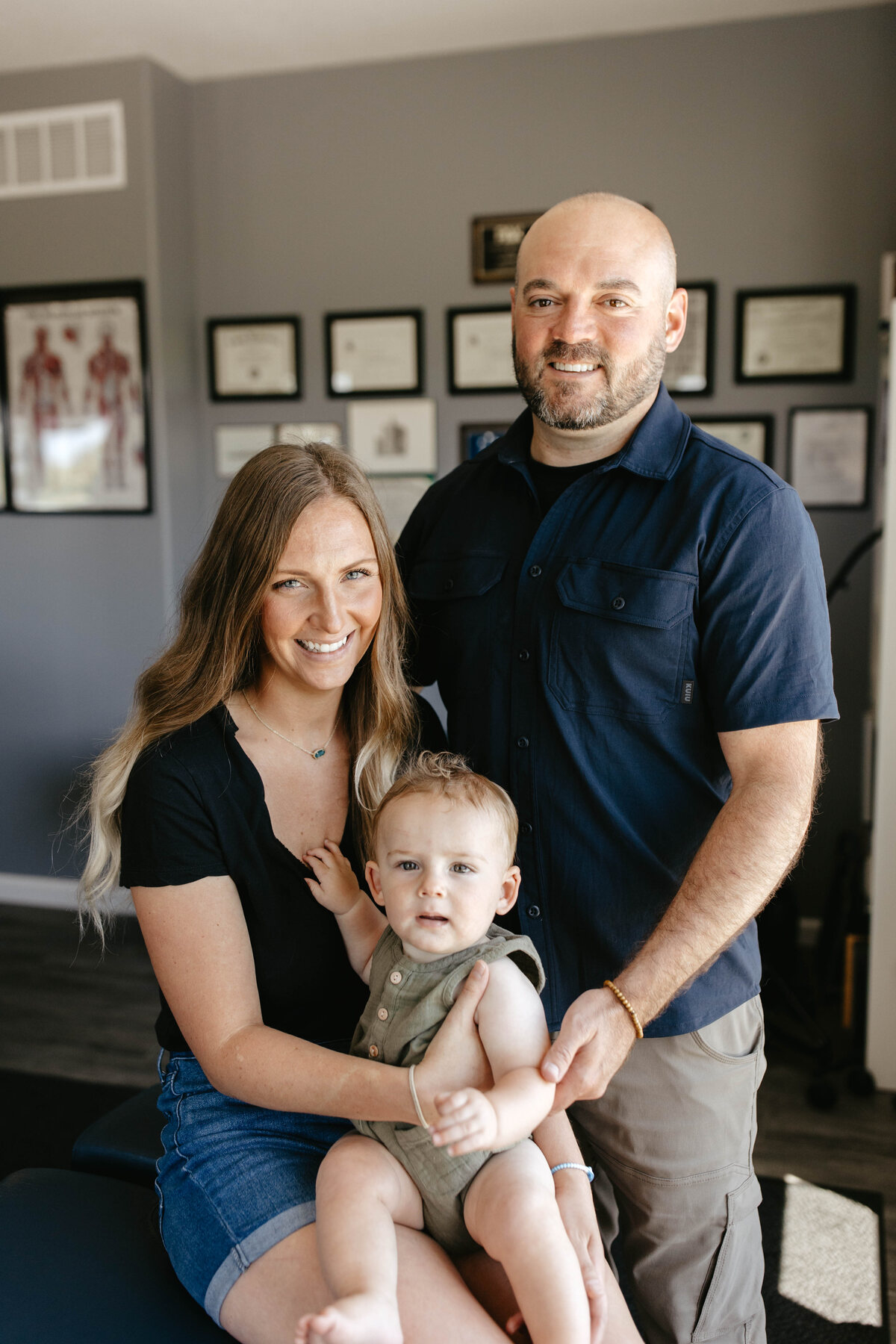
A Practice Built Together
The practice may carry Dr. Miller’s name, but it has never been a one-person effort. Chelsea Miller, Operations Manager, leads office operations, patient scheduling and communication, and the practice’s social media—helping people feel welcomed and cared for from their first contact.
Together, Dylan and Chelsea support patients through the Grant City, Missouri, and Des Moines, Iowa locations.