Using the Drug-Induced Nutrient Depletion Handbook
A practical way to look up medications, identify nutrients worth discussing and bring better questions to Dr. Miller and, when relevant, the clinician managing the medication.
Some medications can change nutrient absorption, use, storage or loss
Prescription and over-the-counter products can affect nutrition in different ways. A medication may alter stomach acidity, bind a nutrient, change appetite, increase urinary loss or influence a metabolic pathway. The effect depends on the drug, dose, duration, diet and individual.
Symptoms can overlap
Fatigue, cramps, weakness, tingling, mood changes or cognitive fog can have many causes. A handbook can suggest questions, but symptoms alone do not prove a deficiency.
Duration matters
Some concerns are more relevant with long-term or repeated use than with a short course.
Context matters
Food pattern, digestive function, age, kidney function, other medications and supplements can change the risk and the best response.
Turn a reference book into a useful clinical conversation
List every product
Include prescriptions, over-the-counter medicines, vitamins, herbs, powders and occasional products—not only the main medication.
Look up possible depletions
Find the medication in the handbook and note the nutrients it may affect, the proposed mechanism and whether duration or dose changes relevance.
Compare with the full history
Record symptoms, diet, digestion, diagnoses and timing. A symptom that began years before the medication requires a different interpretation from one that followed a dose change.
Confirm what needs confirmation
Dr. Miller can review the pattern, examine the patient and decide whether food changes, a laboratory test, communication with the prescriber or another step makes sense.
Recheck the plan
Monitor the purpose, dose, response and total supplement load over time. More supplementation is not automatically better.
Three common lookups
These examples show how to use the handbook; they do not establish that every person taking the medication is deficient.
Statins and CoQ10
The handbook discusses reduced CoQ10 synthesis with statin use and the possibility of muscle symptoms or fatigue. The clinical value of routine CoQ10 supplementation is not identical for everyone, so review the symptom pattern, medication and current evidence rather than assuming.
Oral contraceptives and B vitamins
B6, B12 and folate are important nutrients to review. Diet, symptoms, pregnancy plans and testing can help determine whether they deserve attention; mood or energy changes should be interpreted in the context of the whole person rather than assumed to reflect one deficiency.
Acid blockers and magnesium/B12
Long-term proton-pump inhibitor use has been associated with low magnesium in some people and may affect vitamin B12 absorption. The indication, duration and any transition deserve a thoughtful review. Dr. Miller can help identify the nutritional questions and coordinate with the clinician managing the prescription when needed.
Another common lookup: diuretics
Different diuretics can increase or conserve different electrolytes. The handbook used potassium and magnesium as an example, but the exact drug matters. Supplementing potassium without knowing the medication and kidney function can be dangerous; confirm the drug class, diet, laboratory findings and current plan.
Use food first when it is practical, then supplement deliberately
Food-based support
Dr. Miller emphasizes spinach, almonds and avocados for magnesium; leafy greens, beans and eggs for B vitamins; and nutrient-dense foods as the first place to build a stronger foundation.
Food also provides protein, fiber and many nutrients together, but an established deficiency may require a more targeted plan.
Supplement decisions
Use the exact product, dose and timing with the full medication list in view. Minerals can interfere with absorption of some medicines, and herbs or high doses can create new interactions.
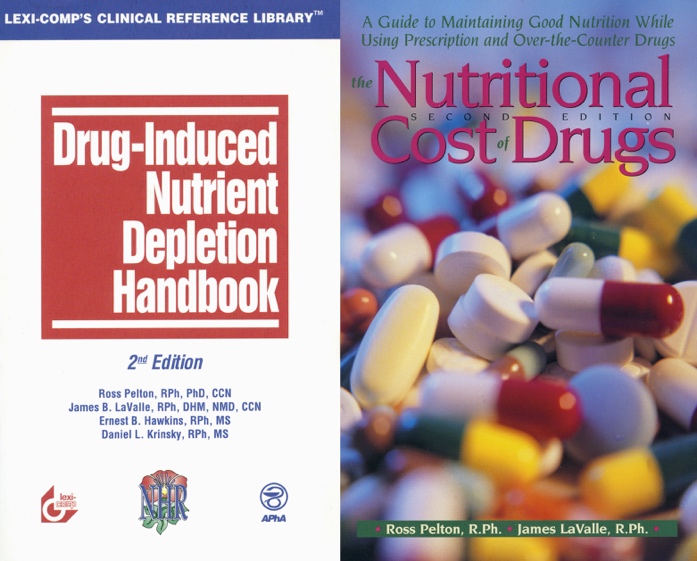
The Drug-Induced Nutrient Depletion Handbook
Use the handbook as a reference tool: look up the medication, mark possible nutrients and bring the questions—along with the bottle or medication list—to the visit.
As an Amazon Associate, Dr. Miller may earn from qualifying purchases. The price to the visitor does not change.
Reference for the PPI and magnesium example
Knowledge should improve the plan—not create fear
Medication history and nutrition belong in the same conversation. Dr. Miller can help patients ask better questions, identify what deserves testing and build support around the whole person.
Use the five-step method, common examples and handbook to bring more informed medication-and-nutrition questions to your visit.
From the Desk of Dr. Dylan Miller

If Dr. Miller’s practical, testing-based approach resonates with you, use the visit guide to understand the process and choose the clinic pathway that fits your needs.
The goal is a clear baseline, focused recommendations and honest reassessment—not a one-size-fits-all plan. Learn what to expect before you schedule.

A Practice Built Together
The practice may carry Dr. Miller’s name, but it has never been a one-person effort. Chelsea Miller, Operations Manager, leads office operations, patient scheduling and communication, and the practice’s social media—helping people feel welcomed and cared for from their first contact.
Together, Dylan and Chelsea support patients through the Grant City, Missouri, and Des Moines, Iowa locations.