
EMF From Microwaves: Why Stand Back?
A practical guide to microwave-frequency energy, why distance changes exposure and how to use or evaluate a microwave without confusing different kinds of electromagnetic fields.
“EMF” describes more than one kind of field
Homes contain low-frequency electric and magnetic fields from wiring and appliances, as well as radiofrequency energy from wireless devices and microwave ovens. The frequency, source, distance and measurement unit all matter.
Extremely low frequency
Power wiring and many appliances operate at 50 or 60 hertz. Magnetic fields may be reported in milligauss or microtesla; electric fields use different units.
Radiofrequency and microwave energy
Cell phones, Wi-Fi and microwave ovens use much higher frequencies. Exposure may be reported as power density or specific absorption rate. A number from one category cannot be compared directly with a number from another.
Field strength falls quickly with distance
A microwave oven uses radiofrequency energy inside a shielded metal cavity to heat food. A properly functioning oven is designed to contain that energy. If standing several feet away is convenient, doing so adds distance and further reduces any exposure outside the appliance.
Start the oven
Confirm that the door closes squarely and the latch engages normally.
Step back
Dr. Miller recommends standing approximately four to five feet away while the oven runs. This is a voluntary precaution, not a claim that a sound oven is unsafe at the counter.
Inspect damage
Stop using an oven with a bent door, damaged hinge, faulty latch, compromised seal or a door that does not close properly.
An EMF meter is only useful when it matches the source
Some consumer meters read low-frequency magnetic fields, some read electric fields and some read radiofrequency power. A combined meter may show all three, but the sensor range, calibration, orientation and distance can change the result.
Record the setup
Note the meter model, mode, units, distance, oven power setting and whether nearby Wi-Fi, phones or appliances were operating.
Look for a pattern
Compare readings at the door, one foot, four feet and a normal standing location. Do not turn a single unexplained number into a medical conclusion.
Practical ways to reduce unnecessary exposure
Use distance
Step away from a microwave while it runs; use speaker mode or a corded headset for longer calls; and avoid keeping active wireless devices against the body when it is not necessary.
Use wired options
Ethernet, wired accessories and turning off unused wireless equipment can reduce radiofrequency sources without giving up useful technology.
Protect sleep space
Keep routers and charging phones away from the bed when practical, and turn off unneeded transmitters overnight.
Watch the microwave EMF demonstration
The video provides a practical meter demonstration. Treat the readings as an illustration tied to that meter, oven and distance—not a universal exposure threshold.
Watch the microwave EMF videoOpens on YouTube
Primary source for microwave-oven safety and inspection
Distance is simple; context makes it useful
Dr. Miller’s four-to-five-foot habit is easy to follow, while inspection and the correct kind of meter keep the conversation grounded in what is actually being measured.
Use distance, inspection and the right kind of meter to make practical decisions about microwave and household EMF exposure.
From the Desk of Dr. Dylan Miller
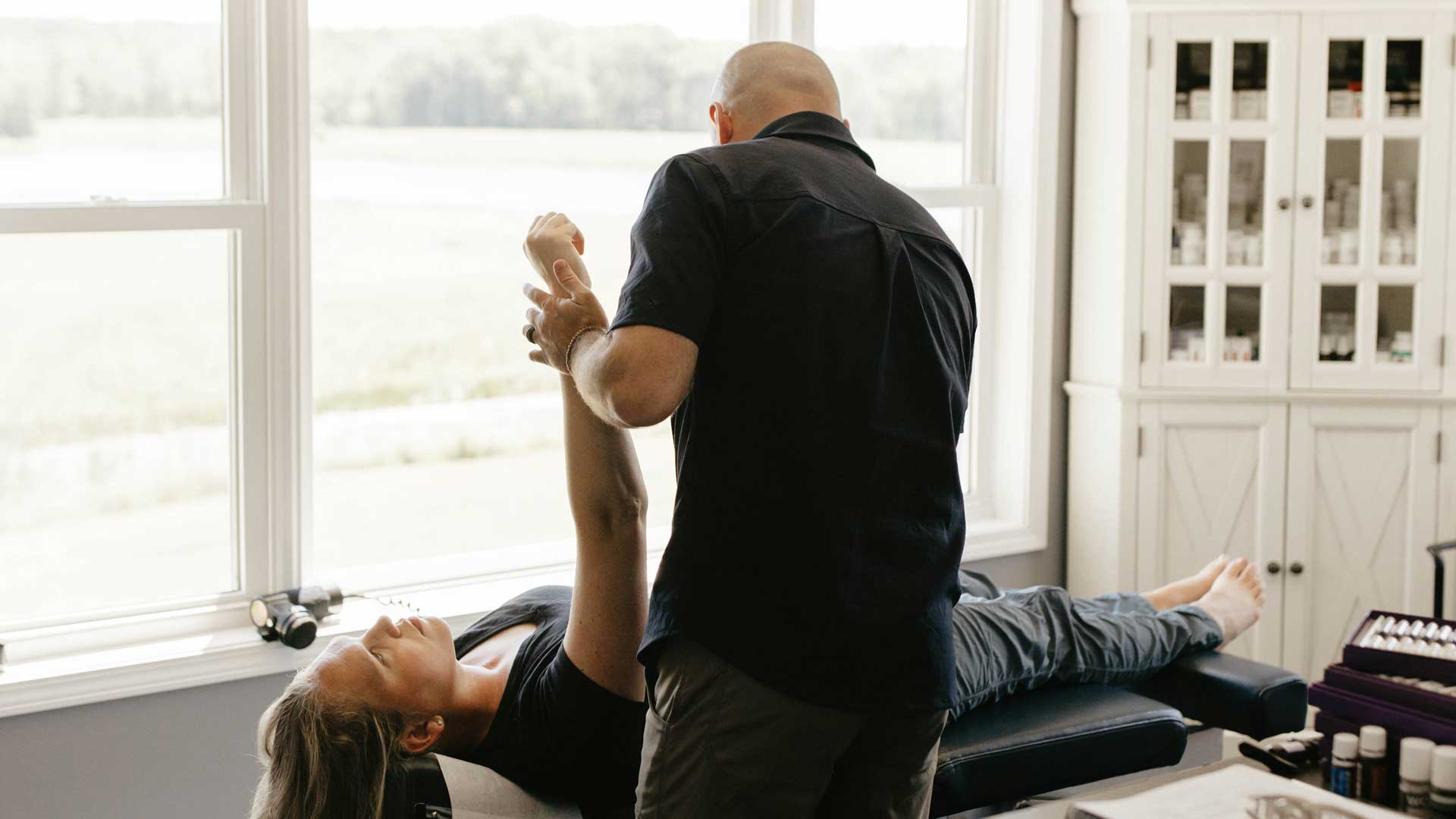
If Dr. Miller’s practical, testing-based approach resonates with you, use the visit guide to understand the process and choose the clinic pathway that fits your needs.
The goal is a clear baseline, focused recommendations and honest reassessment—not a one-size-fits-all plan. Learn what to expect before you schedule.
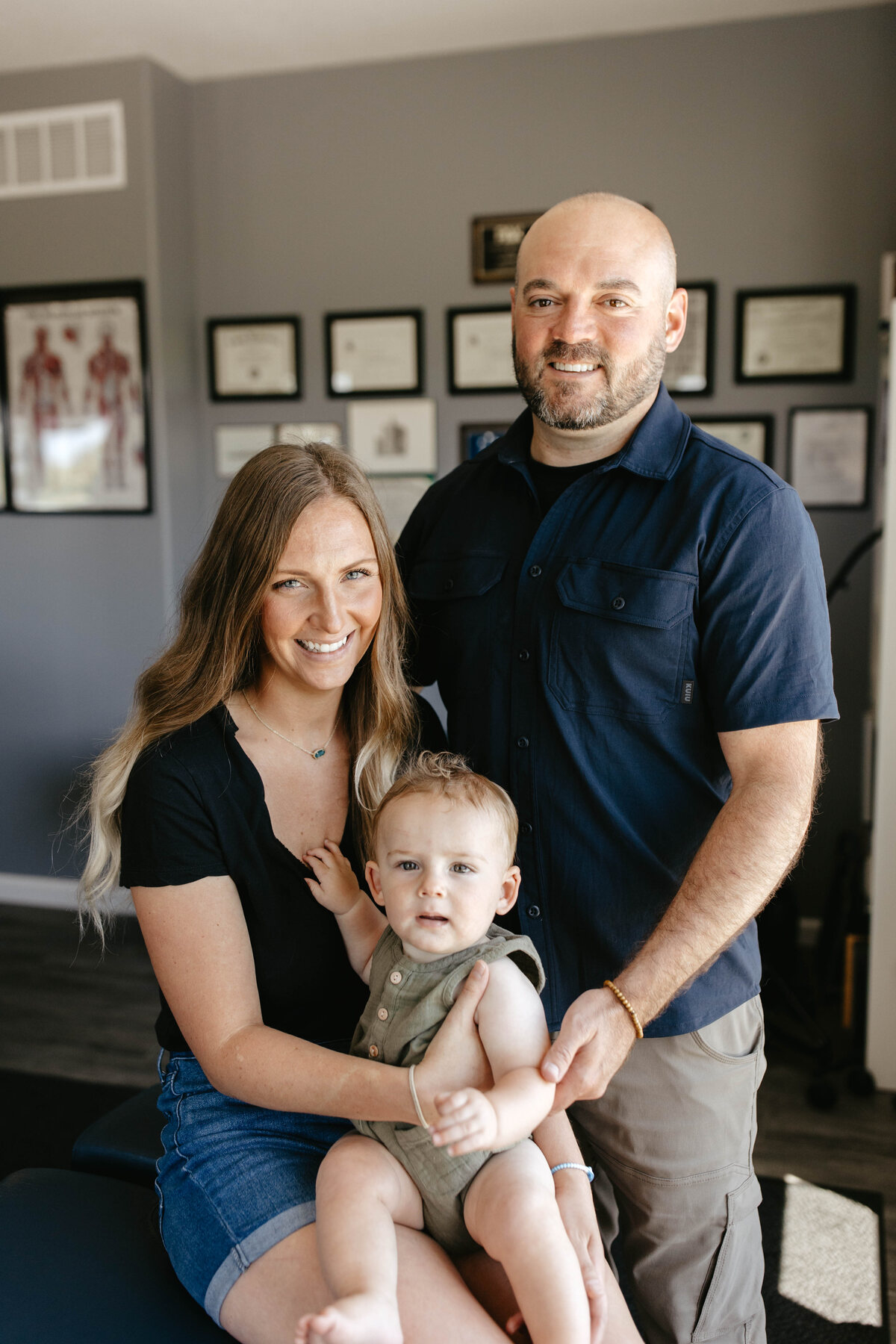
A Practice Built Together
The practice may carry Dr. Miller’s name, but it has never been a one-person effort. Chelsea Miller, Operations Manager, leads office operations, patient scheduling and communication, and the practice’s social media—helping people feel welcomed and cared for from their first contact.
Together, Dylan and Chelsea support patients through the Grant City, Missouri, and Des Moines, Iowa locations.